据新加坡海峡时报报道,最近开发的第一条到英国的火车运输服务让中国在通过高速铁路与世界其他角落增强联系的道路上又取得了更进一步的进展。
中国铁路总公司对外宣布这趟装载衣服、包裹和其他物品的列车是从东部的浙江省义乌市发出的。列车将行驶12000公里,耗时18天,抵达伦敦前途径哈萨克斯坦、俄罗斯和德国。
据悉,伦敦是在习近平总书记“一带一路”计划提出后第15个拥有通往中国直达列车的欧洲城市。
中国到欧洲,火车运输需要15-19天,是海运耗时(33-38天)的一半,但要比空运(3-5天)较慢。
来自Drewry金融研究服务的港口首席分析师Mr Victor Wai表示,首先,海运的成本要比火车运输的成本保持显著的优势,特别是目前集装箱船舶建造趋于经济型。另外,贵重的或者急用的物品会从较快的运输服务中受益,但普通的商品就没有这个必要了。所有这些说明海运是不可能被火车运输服务替代的。
此外,“一带一路”会给沿线的沿海地区代理很大的发展动力,基建需求会有所增加,从这个角度来看,“一带一路”对海运贸易是有极大好处的。
最新消息,阿根廷政府日前发布1999号法令,废除了上届政府执政期间出台的从阿南部港口出口的补贴政策。
据悉,该项政策由前政府于2015年11月通过并实行,其内容是为原产自阿根廷科罗拉多河以南省份,并在南部指定港口装运和报关的出口货物给予出口补贴。其中,涉及阿南部包括玛德琳港、里瓦达维亚港等9个港口,补贴幅度为货物离岸价的8%-13%不等。
该法令指出,补贴政策的实行与世贸组织“马拉喀什协议”的“补贴与反补贴措施协定”相违背,阿现政府应消除所有与世界贸易组织规则不相符的贸易政策。
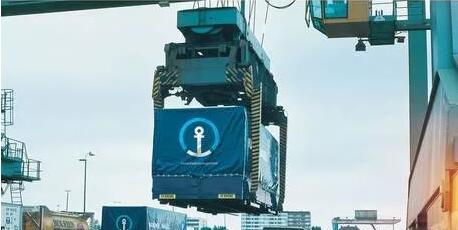
莫桑比克原木出口禁令明年1月1日生效
最新消息,莫桑比克北部纳卡拉港最近再次查获1200箱非法运往中国的木材。
据参与执法的莫土地、环境和农村发展部国家环境质量监控局局长奥利维亚·阿莫斯介绍,该批货物是莫桑比克历史上单次查获的最大数量非法出运木材,涉及多个木材品种。
据分析,非法木材出口商试图赶在莫原木出口禁令2017年1月1日生效之前加大木材出口量。
一个月以前(2016年11月),莫政府暂停签发新的木材砍伐许可证,有效期为二年。莫政府出台原木出口禁令,目的是阻止莫森林退化趋势。
莫桑比克森林面临合法和非法砍伐的双重压力,在莫中部索法拉省、赞比西省和太特省以及莫北部德尔加杜角省尤其明显。
出口巴基斯坦办理中巴产地证可免关税
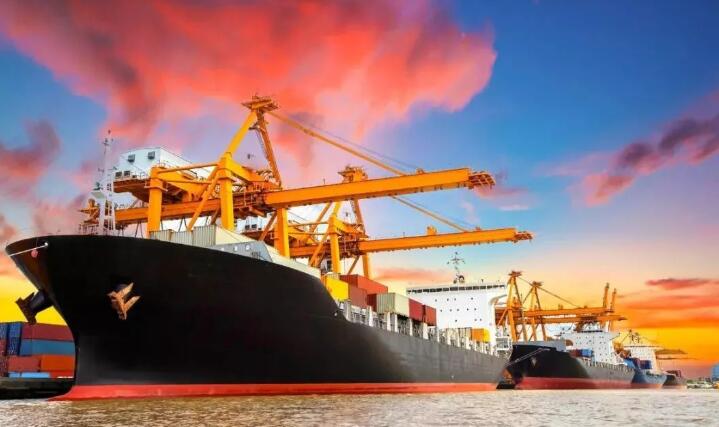
依据客户要求和商品本身是否属于可享受减免关税的类型,中国企业出口到巴基斯坦可以办理产地证CO,也可以办理普惠制产地证FTA,目的港可减免关税。
1、出口到巴基斯坦需要什么证书?
出口巴基斯坦可以办理一般原产地证CO,也可以办理中巴FORM P原产地证,具体可以按照客户要求办理。
出口巴基斯坦办理中巴FTA原产地证是正确的选择,因为办理一般原产地证CO没有关税优惠,而中巴FTA原产地证可以减免关税,中巴优惠原产地证是一种区域原产地证,中国与巴基斯坦关于自由贸易协定早期收获协议于2006年1月1日起开始实施,2006年1月1日起双方先期实施降税的3000多个税目产品,分别实施零关税和优惠关税。原产于中国的486个8位零关税税目产品的关税将在2年内分3次逐步下降,2008年1月1日全部降为零,原产于中国的486个8位零关税税目产品实施优惠关税,平均优惠幅度为22%,给予关税优惠的商品其关税优惠幅度从1%到10%不等。
中国产品出口巴基斯坦,我国出口企业可以到商检局签发FORM P(FTA产地证),巴基斯坦的进口商可以得到进口减税或免税。同样巴基斯坦产品进口到中国,我国进口商凭巴基斯坦有关当局签发巴基斯坦产地证FTA(FORM P)申报,也可得到进口减税或免税。
出口巴基斯坦FTA产地证自2007年7月1日起开始签发,双方承诺分两个阶段对90%的货物进行关税减让。第一阶段在协定生效后5年内,双方对占各自税目总数85%的产品按照不同的降税幅度实施降税,其中,35%的产品关税将在3年内降至零。自《中巴协定》2007年7月实施以来,中巴两国贸易投资和经济合作发展迅速。2010年,双边贸易额为86.7亿美元,其中中国出口69.4亿美元,进口17.3亿美元,同比分别增长28%、26%和37%,显示了强劲的增长势头。
2、一般在什么时候办理中巴原产地证FTA?
应在货物装运前、装运时办理。货物未能在装运前、装运时签发的,可凭货物报关单及提单复印件(或电子资料)申请办理后发证书,证书补发有效期为货物装运之日起一年内。证书签发后需在证书第五栏标记“ISSUED RETROACTIVELY”。
3、巴基斯坦产地证FTA可以不用显示HS编码吗?
原产地证一定要显示HS编码的,而且是我们国内的HS CODE。
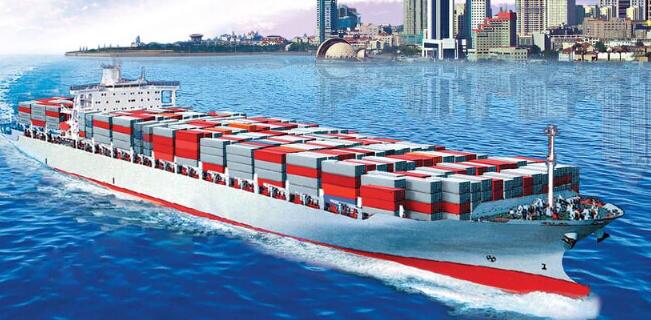
4、提单显示离岸公司,产地证显示大陆出证公司影响清关吗?
没有影响的,如离岸公司没有明显字样,可以显示在产地证上的。
在中巴经济走廊的框架下,中国企业在巴基斯坦水电、水利、能源和交通基础设施等领域承包援建的项目不断增多,从红其拉甫口岸出口的水泥、钢材、机械设备等均大幅增长。据海关统计,今年红其拉甫口岸前三季度进出口货运量超过2万吨,中巴边境贸易呈现逐渐回暖趋势。
沙特口岸海关将不再接受纸质清关授权函
沙特阿拉伯海关总署正式通知,从2017年1月1日起,所有沙特口岸海关将不再接受纸质清关授权函,所有进口单位需要到沙特海关网站注册并提交电子版清关授权函方可正常清关,对于在2017年1月1日前已经递交纸质清关授权函的进口单位在该清关授权函有效期内仍然可以正常清关
据路透报道,从亚洲到北欧集装箱货运价格上周再跌26.7%,至每个标准箱469美元。这条全球最繁忙路线的运价已经连续三周下跌,三周累计跌幅近60%。
全球集装箱货运价都在下跌。上周,亚洲到地中海货运价下跌32.1%,亚洲至美国西海岸和东海岸货运价分别下降7.9%和9.9%。一般认为,运价在800-1000美元才会使航运企业盈利。
金融博客Zero Hedge称,如果集装箱运价反弹结束,并以当前的速度下跌,不仅大型船运企业会关闭航线,投资者也会担忧全球经济很可能再次进入衰退。
集装箱货运价下跌早有迹象。三月份,全球集装箱运价跌幅就创2011年来最大。
为了不亏钱,全球最大集装箱运输企业Maersk Line计划将从亚洲到北欧的运价提高1000美元,9月1日生效。其它主要集装箱运输公司也有类似的计划。
华尔街见闻此前文章称,在全球经济不景气的背景之下,航运企业纷纷取消部分航次以阻止亏损蔓延。由新加坡APL、韩国现代商船、日本商船三井、日本邮船、德国赫伯罗特以及香港东方海外组成的G6联盟本周称,将从9月起取消12个亚洲与欧洲之间的往返航次,这占该联盟5周时间内正常航运量的六分之一。
之前,集装箱货运价下跌的时候,波罗的海干散货指数却仍然匪夷所思的在上涨,并一度突破1100点。但现在情况有所改变,该指数已经下跌至1000点下方。
金融博客Zero Hedge称,相对于实际需求而言,波罗的海干散货指数实际上已经成为一个滞后性指标。
全球贸易最近正在降温,经济衰退可能在9月份加速。“全球最大的货代公司德迅(K+N)指标(gKNi)的数据指示了这一观点。
K + N分析师表示,全球经济增长在2018年夏季达到顶峰,更具体地说是在7月,8月份的数据显示“自7月以来,情况已完全改变”。全球经济经过漫长而不间断的复苏后,这一趋势可能出现转变。

LogIndex是Kuehne + Nagel集团旗下的一家公司,经常汇总分析各类经济数字。该指数长期上涨,并在8月底同比上涨7.5%至139.7点,不过较7月下降1.3%。这是2018年迄今录得的最大降幅,或许迫在眉睫的贸易战现在终于开始产生显著影响。
据悉分析人士之所以支持Kuehne + Nagel指标,主要是这些指标基于港口,客户,飞机和船舶的数据。
▲8月显示下跌至139.7点
“贸易争端似乎开始对实体经济造成冲击。新兴市场的出口正以更快的速度萎缩。截至8月份,超过70%的经济体将经历逐年下降的趋势。”
Kuehne + Nage分析人士指出,负面的事态将持续到9月份。“在7月份的强势指数之后,新的数据显示了一个消极的趋势。预计新兴市场将出现最严重的放缓,因为它们最容易受到贸易紧张局势的影响。9月份,预计韩国、日本、台湾、印度和巴西的出口将出现重大挫折。”
全球经济的稳健增长达到顶峰,今年3.8%的正常水平可能会逐渐消失,其它一些经济学家表达了类似观点。
正如许多经济观察家担心,美国总统特朗普的贸易制裁以及迫在眉睫的贸易战,将结束仍有利于经济和就业的复苏,尤其是在海事部门——即便一些公司的半年报告只将制裁作为附注。
“随着美国银行(Bank of America)最近的调查数据显示:当前全球贸易秩序背后的制度结构面临的压力,继续被视为世界经济面临的最大尾部风险,‘贸易战’升级的前景仍在投资者的脑海中。”anlysts写道。
▲8月份增长趋势明显下降
作为世界上最大的物流集团,也是班轮运输公司中最大的单一客户,Kuehne + Nagel是一个由增长,贸易和运输组成的市场的关键人物。这是一家与零售商等客户关系密切的公司。因此,当Kuehne + Nagel提供可以指示市场发展的预测时,利益相关者通常会倾听,就像班轮公司密切关注主要客户如何看待航运业的服务水平一样。
在航运业,全球经济的大幅增长是保持士气高涨的关键,干散货等行业的增长帮助推动该行业在长期低迷之后迎来了更好的日子。但全球经济的发展总体上——尤其是集装箱、产品和化学品运输船,一般显得至关重要。
China's proposed "One Belt And One Road" plan will not threaten the dominance of seaborne trade in the transport industry. In the far east through central Asia to Europe trade, rail transport accounted for only a small share of the market.
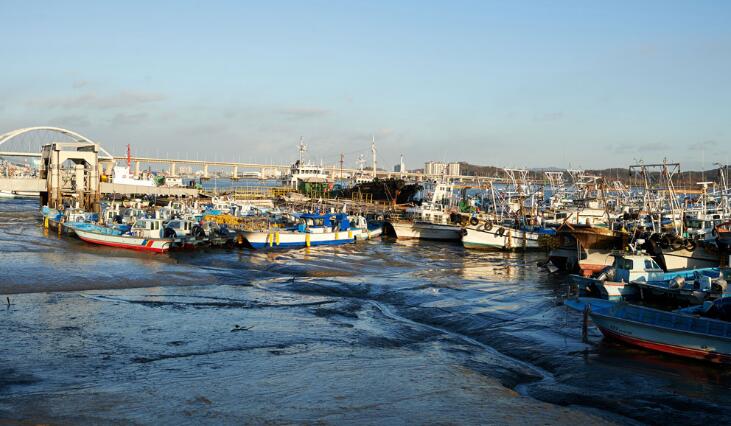
The recently developed first rail service to the UK has given China a further step forward in its efforts to connect with the rest of the world via high-speed rail, Singapore's straits times reported.
The China railway corporation announced that the train carrying clothes, parcels and other items was from yiwu city in the eastern province of zhejiang. The train will travel 12,000km and take 18 days, travelling through kazakhstan, Russia and Germany before arriving in London.
It is reported that London is the 15th European city to have a direct train to China after President xi jinping's "One Belt And One Road" plan.
From China to Europe, it takes 15-19 days to transport by train, half as long as shipping (33-38 days), but slower than air transportation (3-5 days).
Mr Victor Wai, chief port analyst at Drewry financial research services, said: "for one thing, shipping costs remain a significant advantage over train costs, especially as container ship construction tends to be economical." In addition, valuable or urgent items will benefit from faster transportation services, but ordinary goods will not be necessary. All this means that shipping is unlikely to be replaced by rail service.
In addition, "One Belt And One Road" will give agents along the coastal areas of the great momentum of development, infrastructure demand will increase, from this point of view, "One Belt And One Road" is great for maritime trade.
The latest news is that the Argentine government has issued decree no. 1999, abolishing the export subsidies from southern ports introduced by the previous government.
The policy, adopted and implemented by the previous government in November 2015, provides export subsidies for goods originating in Argentina's southern provinces south of the Colorado river and shipped and declared at designated ports in the south. Among them, it involves 9 ports in the south, including madeline port and rivadavia port, and the subsidy range is 8%-13% of fob.
The decree states that the implementation of the subsidy policy is contrary to the "agreement on subsidies and countervailing measures" of the marrakesh agreement of the world trade organization, and that the current government should eliminate all trade policies that are inconsistent with the rules of the world trade organization.
Mozambique's ban on log exports goes into effect on January 1
In the latest news, the port of nacala in northern mozambique has again seized 1,200 boxes of illegally shipped timber destined for China.
The shipment was the largest single seizure of illegal timber shipments in mozambique's history, involving a variety of timber varieties, according to Olivia Amos, director of the national environmental quality monitoring bureau of mozambique's department of land, environment and rural development, which is involved in law enforcement.
According to the analysis, illegal timber exporters are trying to increase their timber exports before the mok log export ban takes effect on January 1, 2017.
A month ago (in November 2016), the mozambique government suspended the issuance of new logging permits for two years. The mozambique government has imposed a ban on the export of logs in an attempt to halt deforestation.
Mozambique's forests are under pressure from both legal and illegal deforestation, particularly in the central mozambican provinces of sofala, zambezi and tete and in the northern cape delgado.
Export to Pakistan for certificate of origin can be exempted from customs duties
According to the customer requirements and whether the goods themselves belong to the type that can enjoy tariff reduction or exemption, Chinese enterprises can apply for certificate of origin CO or GSP certificate of origin FTA for export to Pakistan, and the port of destination can reduce or reduce the tariff.
1. What certificates do I need to export to Pakistan?
For export to Pakistan, you can apply for general certificate of origin CO, or you can apply for china-pakistan FORM P certificate of origin, which can be handled according to the customer's requirements.
Exported Pakistan deal with bilateral FTA certificate of origin is the right choice, because there is no preferential tariffs, deal with average certificate of origin CO and bilateral FTA certificate of origin can derate tariff, China and Pakistan preferential certificate of origin is a kind of certificate of origin, China and Pakistan on free trade agreement early harvest agreement take effect on January 1, 2006, on January 1, 2006 the early implementation of tax reduction of more than 3000 tax items products, respectively to implement zero tariff and preferential tariffs. The tariff of 486 8-digit zero tariff items products originated from China will be gradually reduced in 3 times within 2 years, all of which will be reduced to zero on January 1, 2008. The 486 8-digit zero tariff items products originated from China will be subject to preferential tariff, with an average preferential margin of 22%.
When Chinese products are exported to Pakistan, Chinese export enterprises can issue FORM P (FTA certificate of origin) to the commodity inspection bureau, and Pakistani importers can get import tax reduction or exemption. Similarly, for the import of Pakistani products into China, Chinese importers can also get import tax reduction or exemption upon the declaration of Pakistan certificate of origin (FORM P) issued by relevant Pakistani authorities.
The certificate of origin of the FTA for export to Pakistan has been issued since July 1, 2007. The two sides promise to reduce tariffs on 90% of the goods in two stages. In the first stage, the two sides will implement tax cuts at different ranges for products accounting for 85% of their total tax items within five years after the agreement enters into force. Among them, the tariffs on 35% of products will be reduced to zero within three years. Since the implementation of the agreement in July 2007, trade, investment and economic cooperation between the two countries have developed rapidly. In 2010, bilateral trade reached us $8.67 billion, of which China exported us $6.94 billion and imported us $1.73 billion, up 28 percent, 26 percent and 37 percent year-on-year respectively, showing strong growth momentum.
2. When will China and Brazil certificate of origin FTA be handled?
This shall be done before and at the time of shipment. If the goods fail to be issued before or at the time of shipment, an application for a certificate may be made against the goods declaration form and copy of bill of lading (or electronic information), and the certificate shall be issued within one year from the date of shipment. After the certificate is ISSUED, mark "ISSUED RETROACTIVELY" in column 5 of the certificate.
3. Can the HS code not be displayed on the Pakistan certificate of origin FTA?
The certificate of origin must show the HS CODE, and it is our domestic HS CODE.
4. Does the bill of lading show the offshore company and the certificate of origin show the mainland issuing company affecting customs clearance?
Where there is no effect, such as the offshore company is not marked, can be shown on the certificate of origin.
Under the framework of the china-pakistan economic corridor (cpec), Chinese enterprises have been contracting and assisting more and more projects in the fields of hydropower, water conservancy, energy and transportation infrastructure in Pakistan. According to customs statistics, in the first three quarters of this year, the import and export volume of hongqilapu port exceeded 20,000 tons, and the china-pakistan border trade showed a gradual recovery trend.
Saudi customs will no longer accept paper authorization letters
Saudi Arabia customs official notification, since January 1, 2017, all the Saudi port customs will no longer accept paper clearance authorization letter, all imported units need to Saudi customs website to register and submit the electronic customs clearance authorization letter Fang Kezheng temperamental predominance, on January 1, 2017 has been submitted paper import customs clearance authorization letter unit during the validity period of the customs clearance authorization letter can still is temperamental predominance
Container shipments from Asia to northern Europe fell another 26.7 percent last week to $469 a teu, Reuters reported. Rates on the world's busiest route have fallen for the third week in a row, falling nearly 60 per cent.
Container freight prices are falling around the world. Freight prices from Asia to the Mediterranean fell 32.1 per cent last week, while prices from Asia to the us west coast and east coast fell 7.9 per cent and 9.9 per cent respectively. It is generally believed that shipping companies will be profitable only if the freight rate is between $800 and $1,000.
Zero Hedge, a financial blog, said that if the recovery in container rates ends and prices fall at their current pace, not only will big shipping companies close their routes, but investors will worry that the global economy is likely to slip back into recession.
There were early signs of a drop in container freight prices. In march global container freight rates fell by the most since 2011.
Maersk Line, the world's largest container carrier, plans to raise its freight rates from Asia to northern Europe by $1,000, effective Sept. 1, to avoid losing money. Other major container carriers have similar plans.
Wall Street view previously reported that shipping companies are canceling some trips to stem the spread of losses amid the global economic downturn. The G6 alliance, which includes APL of Singapore, hyundai of South Korea, mitsui of Japan, Nippon mail, Germany's haberroth and Hong Kong's eastern overseas, said this week it would cancel 12 round-trip trips between Asia and Europe from September, or a sixth of its normal shipping volume over a five-week period.
Even as container-freight prices fell, the Baltic dry index was still strangely buoyant, briefly breaching 1, 100. But that has now changed and the index has fallen below 1,000.
Financial blog Zero Hedge says the Baltic dry index has actually become a lagging indicator relative to actual demand.
Global trade has been cooling recently, and the recession is likely to accelerate in September. "Data from Kuhn (K + N) index (gKNi), the world's largest freight forwarder, suggest this view.
K + N analysts said global growth peaked in the summer of 2018, more specifically in July, with the August data showing "a complete change since July". After a long and uninterrupted recovery in the global economy, that trend could change.
LogIndex, a unit of the Kuehne + Nagel group, regularly aggregates economic Numbers. The index has been rising for a long time, rising 7.5 per cent year on year to 139.7 at the end of August, although it was down 1.3 per cent from July. It was the biggest drop recorded so far in 2018, and perhaps the looming trade war is now finally starting to have a significant impact.
Analysts are understood to support the Kuehne + Nagel indicators mainly because they are based on port, customer, aircraft and ship data.
The August reading fell to 139.7
"Trade disputes seem to be hitting the real economy. Exports from emerging markets are shrinking at an even faster pace. As of August, more than 70 percent of the economies will experience a year-to-year downward trend."
Kuehne + Nage analysts point out that the negative developments will continue into September. "After the strong index in July, the new data show a negative trend. The worst slowdown is expected in emerging markets, as they are the most vulnerable to trade tensions. In September, we expect major export setbacks in South Korea, Japan, Taiwan, India and Brazil."
The healthy growth of the global economy peaked at a normal pace of 3.8 per cent this year, a view echoed by other economists.
As many economic observers fear, President trump's trade sanctions and the looming trade war will end are still good for the recovery of the economy and jobs, especially in the maritime sector -- even if some companies' semi-annual reports use sanctions only as a side note.
"With recent Bank of America survey data showing that the strains on the institutional structure behind the current global trade order continue to be seen as the biggest tail risk to the world economy, the prospect of an escalation of the 'trade war' remains on investors' minds." Anlysts wrote.
▲ the growth trend decreased significantly in August
As the world's largest logistics group and the largest single customer among liner shipping companies, Kuehne + Nagel is a key player in a market composed of growth, trade and transportation. This is a company that has close relationships with customers such as retailers. As a result, when Kuehne + Nagel provides forecasts that can indicate market developments, stakeholders often listen, just as liner companies pay close attention to how key customers view the level of service in the shipping industry.
In shipping, a surge in the global economy is key to keeping morale high, and growth in sectors such as dry bulk cargo has helped propel the sector to better days after a long slump. But developments in the global economy as a whole -- particularly container, product and chemical carriers -- are generally crucial.A