2017年,双方贸易额大增21.4%达到845.4亿美元,增速更是创下自2013年以来的新高。尽管2018年中印贸易额增速有所回落,但依然保持了6.5%的增速,贸易额首次突破900亿美元大关。
据印度商业信息统计署与印度商务部统计,2018年印度与中国双边货物进出口额为902.7亿美元,增长6.5%。其中,印度对中国出口165.3亿美元,增长30.2%,占印度出口总额的5.1%,上涨0.8个百分点;印度自中国进口737.4亿美元,增长2.3%,占印度进口总额的14.4%,下降2个百分点。
2019年1-6月,印度与中国双边货物进出口额为420.8亿美元,下降6.9%。其中,印度对中国出口83.7亿美元,增长5.3%,占印度出口总额的5.0%,增加0.1个百分点;印度自中国进口337.1亿美元,下降9.5%,占印度进口总额的13.5%,下降1.3个百分点。
印度对中国保持贸易逆差,趋于扩大
2013-2019年(1-6月)印度对中国一直保持贸易逆差态势,且贸易逆差呈扩大趋势。
2018年,印度对中国的贸易逆差为572.1亿美元,尽管较2017年有小幅缩减,下降3.6%,但相较于2013年贸易逆差却增长了55.3%。
2019年1-6月,印度对中国贸易逆差为253.4亿美元,下降13.5%,中国是印度第一大逆差来源国。
矿产品、化工产品、纺织品及原料是印度对中国出口主要产品
矿产品、化工产品以及纺织品及原料是印度对中国出口的前三大类产品。
2018年,矿产品是印对中国出口的第一大类产品,2018年出口额为50.3亿美元,增长53.3%,占其对中国出口总额的30.5%。化工产品是印对中国出口的第二大类产品,出口额为36.3美元,增长55.0%,占其对中国出口总额的22.0%。纺织品及原料是印度对中国出口的第三大类产品,出口额为18.4亿美元,增长20.6%,占其对中国出口总额的11.1%。
2019年1-6月,矿产品出口额为22.4亿美元,下降3.0%,占印度对中国出口总额的26.7%。化工产品出口额19.7亿美元,增长15.1%,占印度对华出口总额的23.6%。纺织品及原料出口额9.6亿美元,增长4.5%,占印度对华出口总额的11.4%。
比较“印度对全球出口产品”与“印度对中国出口产品”可以看出:
一、中国矿产品需求量大,且处于供不应求的状态,因此有赖于从印度进口大量矿产品。
二、在国家环保趋严的政策环境下,我国关闭了大量化工企业,故需要从印进口大量化工产品。
三、近年来,随着中国人力成本不断攀升,国内部分纺织品及原料等劳动密集型产品的生产也开始不断转移至南亚或东南亚等国家或地区,印度也是承接这些产业的国家之一。因此,印度纺织品出口额占比也较高。
印度自中国进口主要产品为机电产品、化工产品、贱金属及制品
印度自中国进口的主要商品为机电产品、化工产品和贱金属及制品。
2018年合计进口561.3亿美元,占自中国进口总额的76.1%。此外,塑料、橡胶、纺织品及原料、运输设备等也为印度自中国进口的主要大类商品(HS类),在其进口中所占比重均超过3%。在上述产品中,德国、沙特阿拉伯、美国是中国的主要竞争对手。
2019年1-6月,中国进口的主要商品前三位分别为机电产品、化工产品和贱金属及制品。其中,机电产品进口额为162.1亿美元,下降15.8%,占印度自中国进口总额的48.1%。化工产品进口额为68.7亿美元,增长6.3%,占印度自中国进口总额的20.4%。贱金属及制品进口额为27.1亿美元,增长10.5%,占印度自中国进口总额的8.0%。
比较“印度自全球进口产品”与“印度自中国进口产品”,两者存在较大差异。
一、在矿产品上,我国是石油等矿产资源供不应求,故印度进口的矿产品并不主要来自中国。
二、在机电产品上,中国是机电产品进出口大国,且相对于印度具有一定的技术优势,因此,印度从中国进口的机电产品较多。
三、在贵金属及制品上,中国也是黄金等贵金属消费大国,也需要从国外进口大量贵金属。
中印双边贸易发展趋势
一、双方合作潜力较大。
中印两国国情具有极大的相似性,一方面, 中国和印度都是人口大国。同时又是全球经济增长最快的两个发展中国家。
尽管跟中国相比,印度的经济增长率相对不那么引人注目,但是,在过去的几年时间里,即使是在全球金融危机的不利环境下,印度的经济一直持续保持着正增长。
二、中印产业间贸易具有较强互补性,未来有更大发展空间。
一方面,中国第二产业发展相对印度具有比较优势;而印度农业等第一产业和信息服务等第三产业发展却领先于中国;同时,中国的制造业比重远远大于服务业,而印度却与此相反。
三、制造业将推动中印贸易向好发展。
目前,中国正在大力推进“中国制造2025“计划;而莫迪政府也致力于发展“印度制造”、“数字印度”等多项重大举措。
但中印两国制造企业发展阶段不同,市场环境不同,同质竞争小,两国工业发展战略能够对接,并互为市场,带动中印贸易向好发展。
徐州双楼物流园区作为淮海国际陆港一港多点的重要板块,连日来,始终坚持疫情防控和改革发展“两手抓、两手硬、两不误”,克服种种困难,在做好疫情防控的前提下,科学推动徐州水运外贸集装箱航线恢复,助力进出口贸易。
在徐州国际集装箱·滚装码头,记者看到,装载外贸工艺品的集装箱正在集中装运,预计下午将正式发往日本,这已经是疫情以来第二批出口日本的货物。该码头接下来每周都有四班内外贸混仓班轮航线,将有效满足全市外向型企业的生产出口需求。
据了解,徐州双楼物流园区集装箱·滚装码头第一批发往日本的货物已于2月13日起航,于2月17日在上海搭乘海运,预计5天内抵达日本。2月17日第二批出口日本的16TEU外贸工艺品也已装船发运,预计10天后到达。
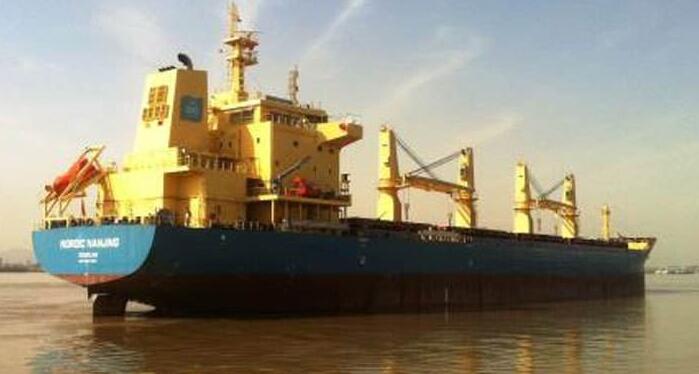
截至目前,疫情期间已累计运输内外贸集装箱226TEU,包括粮食、工业原材料和外贸工艺品等,有力地保障了居民生活和企业经营需求。宏康物流发展有限公司仓储配送中心主任赵昌龙告诉记者,自复工以来,已经发出两批外贸集装箱共计26标箱,主要是以工艺品为主,发往日本东京。后续,已经接收到的包括粮食、饲料、工艺品和矿石等订单,也会陆续集港,能够极大满足徐州市及周边地区外向型企业的生产出口需求,对本地区的经济拉动也会起到非常大的作用。
统筹做好疫情防控和经济社会发展“两手抓、两手硬、两不误”,徐州水运外贸集装箱航线恢复开航,全面打响疫情防控阻击战、经济发展主动战。
下一步,徐州双楼物流园区将一手抓疫情防控,一手抓班轮航运,切实为企业复工复产做好保障,全力推动全市进出口贸易经济发展。徐州双楼物流园区管委会工作人员李礼告诉记者:“我们积极对接海关部门,优化通关流程,第一时间为企业做好查验放行的工作。把我们的航线做成全球的精品航线,缩短在太仓及上海的转关时间,帮助企业以最快的效率,最低的成本完成进出口贸易工作。”
近日,中国(上海)国际贸易单一窗口(以下简称“单一窗口”)“区块链+”多项应用成果正式发布。该平台由上海浦东软件园入驻企业上海亿通国际股份有限公司(以下简称“亿通国际”)参与建设实施,在跨境人民币融资、医药供应链追溯、辅助海关智慧监管、融合第三方贸易服务等重要领域取得了阶段成果,进一步提升了上海国际贸易中心集聚效应和服务能级,满足广大企业的个性化需求。
单一窗口是指国际贸易和运输的各方通过单一平台提交标准化信息和单证,解决企业重复申报、多头申报等问题。它是国际通行的贸易便利化规则,是改善跨境贸易营商环境的重要举措。多年来,单一窗口依托上海电子口岸,按照“一个平台、一次提交、结果反馈、数据共享”的理念建设,服务长江经济带近30万家企业,处理着全国超1/3的进出口贸易量,已成为打造国际一流营商环境的突破口和重要抓手。
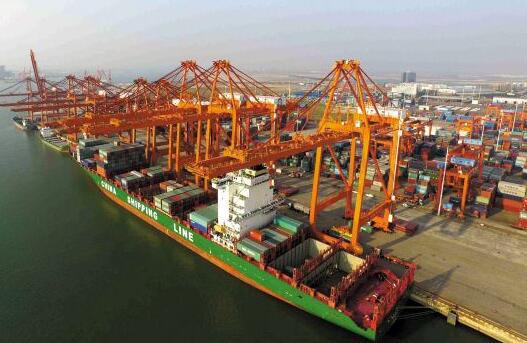
从1.0到3.0 跨越发展提档升级
作为国内口岸物流信息化建设领域的先行者,亿通国际从2014年初参与建设单一窗口平台。随着上海自贸试验区不断深化制度创新,单一窗口也从最初的1.0版跃升为如今的3.0升级版本。目前,单一窗口已形成兼具“监管+服务”10大功能板块,53项地方应用,对接海关、海事、边检、税务、外汇等22个部门,覆盖监管全流程及国际贸易主要环节的重要服务平台。
从“串联式”申报到一点接入、一站式办理再到如今的不用一次一次跑现场,只需在家轻点鼠标便可进行网上登记······单一窗口的贸易便利化程度越来越高,在业务类型、数据处理量等方面保持国内领先,成为上海服务长三角乃至长江经济带的重要平台。在2019年国际航运科技与互联网大会上,单一窗口荣获“技术创新奖”;世界银行在2019年营商环境报告中高度评价单一窗口,认为其功能的复杂性和业务处理量都已名列世界前茅并向全球各国推广。
高效便捷 为进出口贸易提速
单一窗口立足于政府主导的公共服务平台,改变了传统的口岸监管方式,真正实现了贸易便利化。一方面,单一窗口通过制度创新和技术创新为企业提高了办事效率、降低成本;另一方面,单一窗口建设提高了监管部门的效率和透明度,优化了监管服务流程,促进了口岸业务信息化。
“过去,货物通关或船舶进出港,企业需对接多个口岸监管单位,在海关、海事等部门间奔波,重复提交大量纸质材料。单一窗口的功能就是打通各个监管平台,不再用纸质材料,而是通过数据直接传递,监管部门也通过一个平台将结果反馈给相关企业,让信息多跑路,企业少奔波。”亿通国际常务副总经理吕锋说道。通过单一窗口,船舶申报由2天缩短到2小时,货物申报由1天缩短到半小时,极大地节约了电子报关费、报检费等费用及申报企业的时间和人力成本,助推我国进出口贸易“加速奔跑”。
技术赋能 融合发展智享未来
随着单一窗口“区块链+”多项应用成果的发布,区块链技术已延伸推广到金融保险、数字化供应链、物联网、智能制造等商业环境领域,不仅能够提升上海口岸查验部门的监管水平,更能促进国际贸易各相关方信息共享和业务协同水平。
国际贸易单一窗口是一项长期战略任务,在信息化迅速发展的当下,大数据、云计算、区块链、人工智能、移动应用等新兴技术已成为单一窗口建设重要的技术支撑,并且将持续引领单一窗口打造更具智慧化的服务。亿通国际也将与时俱进,在上海浦东软件园深厚的科技氛围里,深化单一窗口3.0版本建设,推进通关一体化,打造智慧口岸,打响“上海服务”品牌,努力将单一窗口打造成我国进出口贸易服务的一张靓丽名片。
From 2013 to 2018, china-india bilateral trade has shown an overall trend of growth.
In 2017, two-way trade surged 21.4 percent to us $84.54 billion, the fastest growth since 2013. Despite the slowdown in the growth rate of trade between China and India in 2018, the trade volume still maintained a growth rate of 6.5 percent and exceeded the us $90 billion mark for the first time.
According to statistics from the Indian bureau of business information and the Indian ministry of commerce, imports and exports of bilateral goods between India and China increased 6.5 percent to $90.27 billion in 2018. Of this, India's export to China reached us $16.53 billion, up 30.2%, accounting for 5.1% of India's total export, up 0.8%. India's imports from China reached us $73.74 billion, up 2.3% and accounting for 14.4% of India's total imports, down 2 percentage points.
In january-june 2019, imports and exports of bilateral goods between India and China dropped 6.9 percent to us $42.08 billion. Of this, India's export to China reached us $8.37 billion, up 5.3%, accounting for 5.0% of India's total export, up 0.1 percentage point. India's imports from China dropped 9.5 percent to us $33.71 billion, accounting for 13.5 percent of India's total imports, down 1.3 percentage points.
India's trade deficit with China tends to widen
From 2013 to 2019 (january-june), India has always maintained a trade deficit with China, and the trade deficit is on the trend of widening.
In 2018, India's trade deficit with China was 57.21 billion us dollars. Although it was slightly smaller than that of 2017, with a decline of 3.6%, it was 55.3% higher than that of 2013.
In the january-june period of 2019, India's trade deficit with China was $25.34 billion, down 13.5%. China is the largest source of India's trade deficit.
Minerals, chemicals, textiles and raw materials are India's main exports to China
Minerals, chemicals and textiles and raw materials are the top three categories of Indian exports to China.
In 2018, mineral products were the first major category of Indian exports to China, with exports of us $5.03 billion in 2018, up 53.3 percent, accounting for 30.5 percent of its total exports to China. Chemicals were the second major category of Indian exports to China, with a 55.0% increase to us $36.3, accounting for 22.0% of its total exports to China. Textiles and raw materials were the third major category of Indian exports to China, rising 20.6 percent to $1.84 billion, accounting for 11.1 percent of India's total exports to China.
In the january-june period of 2019, mineral exports fell by 3.0 percent to us $2.24 billion, accounting for 26.7 percent of India's total exports to China. Exports of chemicals reached us $1.97 billion, up 15.1%, accounting for 23.6% of India's total exports to China. Exports of textiles and raw materials reached us $960 million, up 4.5 percent, accounting for 11.4 percent of India's total exports to China.
The comparison between "Indian exports to the world" and "Indian exports to China" shows that:
1. China's demand for mineral products is high and in short supply, so it relies on the import of a large number of mineral products from India.
Second, under the national policy of stricter environmental protection, China has closed a large number of chemical enterprises, so it needs to import a large number of chemical products from India.
Iii. In recent years, with the rising labor cost in China, the production of some labor-intensive products such as textiles and raw materials in China has been continuously shifted to south or southeast Asia and other countries or regions. India is also one of the countries that undertake these industries. As a result, the proportion of Indian textile exports is also high.
The main products India imports from China are mechanical and electrical products, chemical products, base metals and products
The main commodities India imports from China are mechanical and electrical products, chemical products and base metals and products.
In 2018, total imports reached 56.13 billion us dollars, accounting for 76.1% of total imports from China. In addition, plastics, rubber, textiles and raw materials, transportation equipment and so on are also the main categories of goods imported from China (HS category), accounting for more than 3% of India's imports. Among the products mentioned above, Germany, Saudi Arabia and the United States are China's main competitors.
From January to June 2019, China's top three imports of major commodities were mechanical and electrical products, chemical products and base metals and products. Of these, imports of mechanical and electrical products dropped 15.8% to $16.21 billion, accounting for 48.1% of India's total imports from China. Imports of chemicals rose 6.3% to $6.87 billion, accounting for 20.4% of India's total imports from China. Imports of base metals and products rose 10.5 per cent to us $2.71 billion, accounting for 8.0 per cent of India's total imports from China.
There is a big difference between "India imports from the world" and "India imports from China".
I. in terms of mineral products, China's mineral resources such as oil are in short supply, so the mineral products imported from India are not mainly from China.
2. In terms of mechanical and electronic products, China is a major importer and exporter of mechanical and electronic products, and has certain technological advantages compared with India. Therefore, India imports more mechanical and electronic products from China.
Third, in precious metals and products, China is also a major consumer of precious metals such as gold, also need to import a large number of precious metals from abroad.
Development trend of bilateral trade between China and India
1. There is great potential for bilateral cooperation.
On the one hand, China and India are both populous countries. It is also the world's two fastest-growing developing countries.
Although India's growth rate is relatively unimpressive compared with China's, it has maintained positive growth over the past few years, even in the face of the global financial crisis.
2. The trade between Chinese and Indian industries is highly complementary and has greater room for further development.
On the one hand, China has a comparative advantage over India in the development of its secondary industry. India's primary industries, such as agriculture, and tertiary industries, such as information services, are ahead of China's. Meanwhile, China's manufacturing sector is far bigger than its service sector, while India's is the opposite.
Third, the manufacturing sector will promote the development of china-india trade.
At present, China is vigorously promoting the "made in China 2025" plan. The modi government is also committed to developing "made in India", "digital India" and other major initiatives.
However, China and India have different development stages of manufacturing enterprises, different market environments, and less homogeneous competition. Therefore, the industrial development strategies of the two countries can be synergize and become markets for each other, thus driving the development of china-india trade.
Xuzhou double floor logistics park as an important sector of huaihai international port land port a multipoint, for days, always adhere to the reform and development of epidemic prevention and control and "to combine, hands are hard and balance", overcome difficulties, in completes the epidemic prevention and control under the premise of science promote xuzhou water foreign trade container routes, power import and export trade.
In xuzhou international container • ro-ro terminal, the reporter saw that the container loaded with foreign trade crafts is centralized shipment, is expected to be formally sent to Japan in the afternoon, this has been the epidemic since the second batch of goods exported to Japan. The port will have four shifts of domestic and foreign trade liner routes every week, which will effectively meet the production and export needs of export-oriented enterprises in the city.
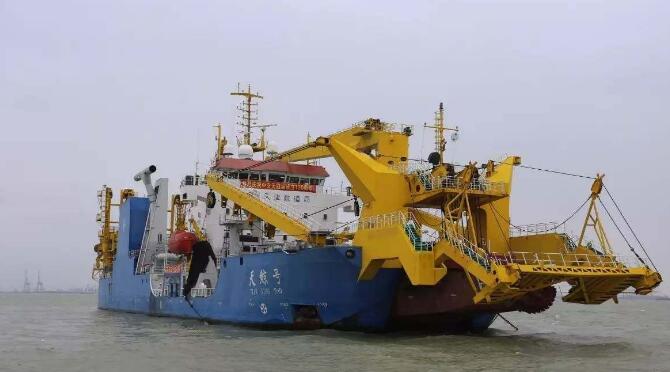
It is learned that the first wholesale of container • ro-ro terminal in xuzhou shuanglou logistics park to Japan's goods have set sail on February 13, February 17 in Shanghai by sea, is expected to arrive in Japan within five days. The second batch of 16TEU foreign trade handicrafts exported to Japan on February 17th has also been shipped and is expected to arrive in 10 days.
Up to now, 226TEU of domestic and foreign trade containers have been transported during the epidemic period, including grain, industrial raw materials and foreign trade handicrafts, effectively ensuring the needs of residents and businesses. Hongkang logistics development co., LTD. Storage and distribution center director zhao changlong told reporters that since the resumption of work, has sent two batches of foreign trade containers a total of 26 teus, mainly arts and crafts, sent to Tokyo, Japan. In the future, the orders received, including grain, feed, handicrafts and ore, will also be in port, which can greatly meet the production and export needs of export-oriented enterprises in xuzhou city and surrounding areas, and will play a very big role in boosting the economy of this region.
We made coordinated efforts to prevent and control the epidemic and promote economic and social development. We resumed the operation of xuzhou container shipping lines for foreign trade and water transport, and launched a comprehensive campaign to prevent and control the epidemic and fight for economic development.
In the next step, xuzhou shuanglou logistics park will focus on epidemic prevention and control and liner shipping, so as to ensure the resumption of work and production of enterprises and promote the development of the city's import and export trade and economy. Li li, a staff member of xuzhou shuanglou logistics park management committee, told the reporter: "we are actively communicating with customs departments, optimizing the customs clearance process, the first time for enterprises to do the work of inspection and release. To make our routes into the world's high-quality routes, to shorten the transit time in taicang and Shanghai, to help enterprises to complete the import and export trade with the fastest efficiency, the lowest cost. Recently, China (Shanghai) international trade single window (hereinafter referred to as "single window") "block chain +" a number of application results were officially released. The platform by the Shanghai pudong software park in Shanghai million tong international co., LTD. (hereinafter referred to as the "hundred million international") to participate in the construction, in cross-border RMB financing, pharmaceutical supply chain traceability, auxiliary wisdom of customs supervision, fusion service important areas such as the third party trade made a stage achievement, further improve the Shanghai international trade center agglomeration effect and service level, meet the personalized needs of the enterprise.
Single window refers to the submission of standardized information and documents by all parties of international trade and transportation through a single platform, so as to solve the problems of repeated declaration and multiple declaration by enterprises. It is an internationally accepted trade facilitation rule and an important measure to improve the cross-border trade and business environment. Over the years, relying on the Shanghai e-port and following the concept of "one platform, one submission, result feedback and data sharing", the single window has served nearly 300,000 enterprises in the Yangtze river economic belt, handling more than one-third of the country's import and export trade. It has become a breakthrough and an important starting point for building a world-class business environment.
Upgrade from 1.0 to 3.0
As a pioneer in the field of port logistics informatization construction in China, yitong international has participated in the construction of a single window platform since the beginning of 2014. As the Shanghai pilot free trade zone continues to deepen its institutional innovation, the single window has been upgraded from the original version 1.0 to the current version 3.0. At present, the single window has formed 10 functional sections of "supervision + service", 53 local applications, and an important service platform covering the whole process of supervision and the main links of international trade, connecting with 22 departments such as customs, maritime affairs, border inspection, tax and foreign exchange.
From "tandem" declaration to a access, "one-stop" work style to deal with today's need not run again the scene, just at home with the click of a mouse can register for the online • • • • • • a single window of the degree of trade facilitation is higher and higher, in business types, data processing and so on to keep domestic leading, become Shanghai service important platform of Yangtze river delta and Yangtze river economic belt. At the international shipping technology and Internet conference in 2019, a single window won the "technological innovation award". In its 2019 doing business report, the world bank praised the single window, saying that its complexity of functions and volume of business processing are among the highest in the world and have been promoted to countries around the world.
Efficient and convenient for the import and export trade speed
Based on the government-led public service platform, the single window has changed the traditional mode of port supervision and truly realized trade facilitation. On the one hand, the single window improves the efficiency and reduces the cost for the enterprise through the system innovation and the technology innovation; On the other hand, the single window construction improves the efficiency and transparency of the supervision department, optimizes the supervision service process, and promotes the informatization of the port business.
"In the past, when goods passed through customs or ships entered or left port, enterprises had to contact with multiple port supervision units, travel between customs, maritime and other departments, and submit a large number of paper materials repeatedly. "The function of a single window is to get through various regulatory platforms, and instead of using paper materials, it is directly transmitted through data. The regulatory authorities also feedback the results to relevant enterprises through a platform, so that information can run more and enterprises can run less." Yi tong international executive deputy general manager lu feng said. Through a single window, the vessel declaration is shortened from 2 days to 2 hours, and the cargo declaration is shortened from 1 day to half an hour, which greatly saves the electronic declaration fee, inspection fee and other fees, as well as the time and labor cost of the declaration enterprises, and boosts the "acceleration" of China's import and export trade.
Technology enables integrated development and intellectual future
As a single window "block chain +" many achievements of application of release, block chain technology has been extended to the financial insurance, digital, Internet of things, intelligent manufacturing supply chain, and other areas of the business environment, not only can enhance the level of the oversight of the department of Shanghai port inspection, more can promote international trade each related party information sharing and business collaboration.
The single window of international trade is a long-term strategic task. With the rapid development of informatization, emerging technologies such as big data, cloud computing, blockchain, artificial intelligence and mobile applications have become important technical support for the construction of single window, and will continue to lead the single window to create more intelligent services. Yitong international will also advance with The Times, deepen the construction of single window version 3.0, promote the integration of customs clearance in the profound scientific and technological atmosphere of Shanghai pudong software park, build a smart port, build the brand of "Shanghai service", and strive to make the single window a beautiful name card of China's import and export trade service.