总部设在丹麦哥本哈根的马士基集团(A.P. Moller-Maersk A/S)是世界最大航运公司,控制全球五分之一的集装箱船队,在海运贸易领域拥有很大发言权。
马士基CEO施索仁17日在马士基总部接受彭博社访问时表示,当前这波保护主义浪潮的后果“可能在美国更严重”。关税可能会使全球贸易每年增长放缓0.1至0.3%,而对美国的影响“可能是3%或4%”。“尽管全球产业链非常复杂,具体的影响很难评估,但这肯定不利”。
马士基近来打破公司不评论政治的传统,抨击了特朗普政府的贸易政策。
马士基专注于欧洲和亚洲之间的贸易运输,到目前为止业务尚未直接受到关税的影响。事实上,第二季度的需求增长4% 。但施索仁表示,如果美国开始瞄准消费品,这种情况可能会改变。
施索仁告诉彭博社:“若对中国消费品加征关税,美国进口商首先要做的是转向越南、印尼或亚洲其他地方采购。美国消费大品牌,例如Nike在亚洲都有生产,并不只在一个国家,因此会出现替代效应。 ”
施索仁说:“另一个因素是,目前很多进口到美国的东西根本在美国没有生产。如果无法找到在美国制造的Nike或iPhone,最后受累的是消费者。”
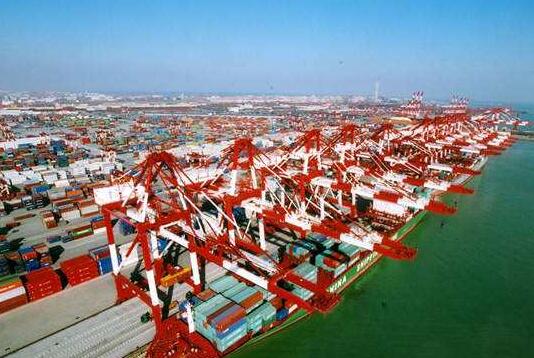
目前,马士基正在经历公司历史性的转型,将放弃大量能源业务,转变为专注(集装箱)货物贸易运输。该公司去年与道达尔达成协议,出售油气业务,17日刚刚宣布剥离价值4亿美元的石油钻探业务。
延伸阅读:
《证券时报》7月28日报道,今年以来,马士基股价整体呈下跌趋势,其A股、B股跌幅均接近20%,市值更是从去年年底的超过2200亿丹麦克朗(约合人民币2306亿元)蒸发至目前的1800亿丹麦克朗(约合人民币1887亿元),缩水逾400亿丹麦克朗。
最新数据显示,马士基成为对冲基金做空标的,该公司的空头仓位已升至有史以来的最高水平。
《21世纪经济报道》8月10日报道,马士基近日还宣布调降2018年全年业绩预期,税息折旧及摊销前利润(EBITDA)的预计水平从原来的40亿-50亿美元下调至35亿-42亿美元。相比之下,马士基2017年EBITDA为35亿美元。航运媒体信德海事网称,作为世界上最大的集装箱航运公司,马士基经常被视为全球贸易晴雨表,该公司下调盈利预期对于整个市场的影响很大。
全球最大的集装箱承运输公司、总部位于丹麦哥本哈根的马士基近日发出警告,称其面临需求疲软,导致运费下行压力增加。
彭博社指出,今年多数时候国际运费都处于上升中,但现在升势出现逆转,这令全球贸易复苏的可持续受到质疑。马士基航运一名资深人士上周接受采访时表示,此前近十年的供大于求,在今年第三季度,再次令集装箱海上贸易需求跌入泥潭。超过90%的全球贸易通过轮船运输,这就使得航运业成为全球经济的风向标。
马士基南亚部总经理Steve Felder表示,我们开始看到下跌压力。全球贸易订单目前占航运能力13.5%左右,这并不高。然而考虑到运费主要受供需平衡影响,因此,航运运费非常不稳定。
彭博社指出,马士基对行业前景的悲观评估也与许多航运咨询公司、银行、集装箱航运公司同行和评级机构的观点一致。
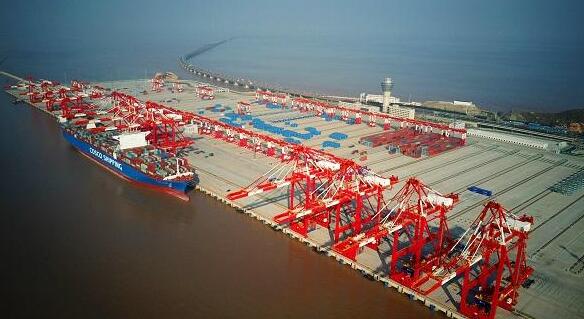
马士基并不是唯一一家持有此观点的公司。德鲁里航运咨询公司预计,供应过剩将促使集装箱运输货运增长率在2018年有所下降,从2017年的15%左右下降至低于10%。11月29日,瑞士信贷集团(Credit Suisse Group AG)分析师在报告中写道,从世界第三的集装箱全球承运公司法国达飞海运集团(CMA-CGM)在亚欧合同的早期谈判来看,2018年该公司货运增长率将稍微有所下降。
图一、航运运费不稳定,供应过剩限制航运业复苏
这些分析师表示,虽然谈判处于早期阶段,但这种不确定性对增强投资者信息显然没有任何帮助。全球知名的信用评级机构惠誉评级(Fitch Ratings)预计,2018年海运集装箱供应量将增长5.5%以上,高于超过4.5%的需求增长量。但全球贸易前景的积极面体现在航空运输。
鉴于国际航空运输协会(International Air Transport Association)预计2017年航空运输将增长7.5%,市场普遍认为,航空运输具有极大的增长潜力。然而航空运输是全球贸易市场的一小部分。数据显示,全球航空运输规模约为1000亿美元,在价值15.5万亿美元的全球总贸易额中仅占约0.6%。
德鲁里航运咨询公司公布了有关货运航线的最新数据,指出了上海与发达经济体之间多条航线面临的明显疲软趋势。例如,与2016年12月第一周相比,上海-鹿特丹、上海-热那亚、上海-洛杉矶和上海-纽约之间的航线增长率全部下滑了20%以上。
当下,世贸组织和国际货币基金组织都预计2018年全球贸易增长将保持强劲。前者预计将上涨4.0%,后者预计将上涨3.6%。2017年,全球贸易增长超过全球GDP增长,创自2014年以来的首次。按照国际货币基金组织的预测,2018年全球贸易增长将与全球GDP增长基本持平。
但是,马士基、德鲁里和其他机构暴露出的疲软迹象表明,2018年全球贸易或将再次拖垮全球经济增长。(来源:凤凰国际iMarkets)
目前,韩进海运破产对全球的影响尚不清楚。
如果像预期的那样,该公司的船舶继续被“冻结”,即使不是几个月,而只是几周时间,这对全球供应链的影响也将是毁灭性的,可能产生层叠式瀑布效应,这对全球经济的影响可能会很严重,或将导致全球物流一片混乱。
韩进带来的运输缺口,令其竞争对手考虑瓜分其业务,如韩国第二大航运公司现代商船宣布,他们将部署至少13艘船接收韩进的两条专线,同时韩国政府也计划向国外航运公司求助。
下图显示的是各大航运公司的市场份额分布:
不过,韩进带来的运输缺口很难在短时间内被填满。同时,韩进曾经负责的运输线路上的运费已经出现飙升。釜山-洛杉矶航线上,40英尺集装箱的运费已跳涨约55%,从1100美元涨至约1700美元。从韩国至美国经巴拿马的航运费则上涨了约50%至2400美元。
不过,韩进带来的运输缺口很难在短时间内被填满。同时,韩进曾经负责的运输线路上的运费已经出现飙升。釜山-洛杉矶航线上,40英尺集装箱的运费已跳涨约55%,从1100美元涨至约1700美元。从韩国至美国经巴拿马的航运费则上涨了约50%至2400美元。
韩国出口商则受到运价飙升的最直接影响,国营智库韩国海洋研究所估计,釜山至美国航线的运费将上升27%,釜山至欧洲航线将在短期内上升47%,导致韩国出口商每年增加约4407亿韩元的运输成本。
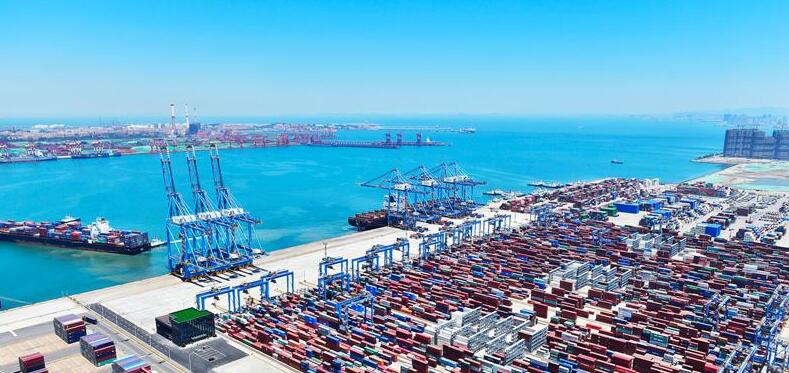
对于韩国而言,净出口约占国内生产总值的50%,因此运输成本增加带来的打击将是巨大的。
不过,运输成本飙升还仅是在初期阶段,因为韩国各大出口商现在都在争先恐后地寻找替代航运公司。世界第二大电视制造商LG电子称,正在取消与韩进的订单,并在寻找替代航运公司为其运货,且在为已经装上韩进船舶的货物作应急预案,以防遭港口扣押。
但最令人不安的结果是,这会不会对全球供应链带来毁灭性的影响,产生层叠式瀑布效应?现在全球物流行业的混乱状态,已经在慢慢体现这种影响了。
韩国海事部周三表示,韩进问题对货物出口会带来两三个月的影响,约54万箱货物已装上韩进船只,面临延期问题。不幸的是,在“即时”交付的当代市场,2-3个月的货运延迟会造成较大破坏,因为无数加工商和中间商在生产过程中,将缺失关键的零配件,从而阻碍生产的发展。
韩国国际货运代理协会称,现在协会的电话被打爆了,货运业主不断打电话来询问他们运输到美国和欧洲的货物的下落。由于现在韩进许多船只遭扣押,法律也尚未作出判决,因此无人能收拾这盘残局。虽然手机和半导体是空运,但其他电子产品,如家用电器则是经海洋运输的。
据咨询机构Alphaliner称,韩进海运占美国东北部集装箱运输业务的7%,即涉及到数百亿美元。此外,韩进服务35个国家的60条航线,连接全球逾90个主要港口和6000个目的地。
因此,货运代理协会主任Cho Kyung kyu称,如果韩进最终破产,这对整个行业都会带来影响。从目前货主打爆电话的情况来看,影响已经显现了,现在唯一的问题是:1)如何量化损失;2)在企业和经济学家们用此作为第三季度经济和盈利意外下滑的借口前,这会持续多长时间?(信息支持:比特港)
因此,货运代理协会主任Cho Kyung kyu称,如果韩进最终破产,这对整个行业都会带来影响。从目前货主打爆电话的情况来看,影响已经显现了,现在唯一的问题是:1)如何量化损失;2)在企业和经济学家们用此作为第三季度经济和盈利意外下滑的借口前,这会持续多长时间?
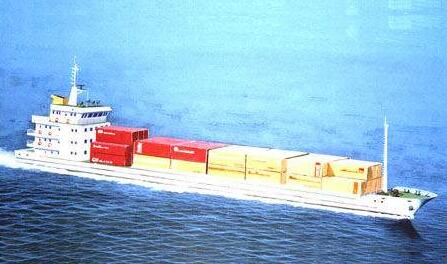
The chief executive of maersk, the world's largest shipping company, says the us economy could be hit several times harder than the rest of the world as the global trade war heats up.
A.P. moller-maersk A/S, based in Copenhagen, Denmark, is the world's largest shipping company, controls A fifth of the world's container fleet and has A big voice in seaborne trade.
The consequences of the current wave of protectionism "could be more severe in the United States," maersk CEO John sze soren said in an interview with bloomberg at maersk's headquarters Monday. The tariffs could slow global trade growth by 0.1-0.3 per cent a year, while the impact on the us "could be 3 or 4 per cent". Although the global industrial chain is very complex and the specific impact is difficult to assess, it is certainly not good.
Maersk recently broke with its tradition of not commenting on politics by attacking the trump administration's trade policies.
Maersk, which specialises in shipping trade between Europe and Asia, has so far not been directly affected by the tariffs. In fact, demand grew 4% in the second quarter. But that could change if the us starts targeting consumer goods, says Mr Shih.
"If you impose tariffs on Chinese consumer goods, the first thing U.S. importers would do is look to Vietnam, Indonesia or elsewhere in Asia," soren told bloomberg. Big American consumer brands, such as Nike, produce in Asia, not just in one country, so there is a substitution effect. "
"The other factor is that a lot of the stuff that is being imported into the United States right now is not being made in the United States at all. If you can't find a Nike or an iPhone that's made in the u.s., it's the consumer who's going to be hurt."
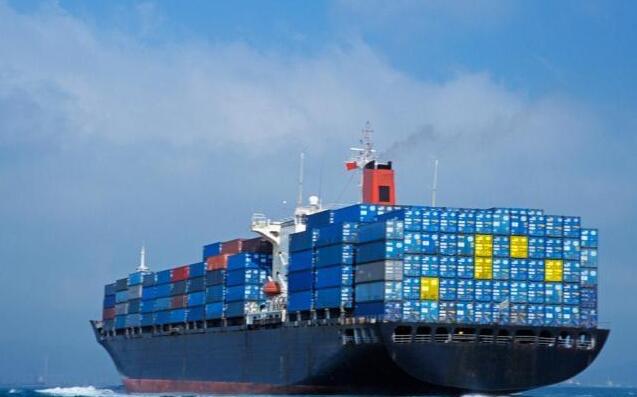
Maersk is in the midst of a historic transformation that will see the company shed much of its energy business and focus on the transport of [container] traded goods. The company reached a deal with total last year to sell its oil and gas business, and on Monday announced the spin-off of its $400m oil-drilling business.
Extended reading:
On July 28, the securities times reported that since this year, maersk prices downward trend on the whole, the A shares and B shares are close to 20%, from the market value at the end of last year more than 220 billion Danish crowns (RMB 230.6 billion) evaporation to the current 180 billion Danish crowns (RMB 188.7 billion), shrink by more than 40 billion Danish crowns.
The latest data show that maersk is the subject of hedge funds' short positions, which have risen to their highest level ever.
According to the 21st century business herald on August 10, maersk also recently announced a reduction in its full-year 2018 earnings forecast to $3.5 billion to $4.2 billion from $4 billion to $5 billion. By comparison, maersk's 2017 EBITDA was $3.5bn. As the world's largest container shipping company, maersk is often seen as a barometer of global trade, and the cut in its earnings forecast has a big impact on the overall market, according to shipping media sindh maritime.
Copenhagen - based maersk, the world's largest container carrier, has warned of increased downward pressure on freight rates because of weak demand.
International freight rates have been on the rise for most of the year, but the rise has now reversed, raising questions about the sustainability of the global trade recovery, bloomberg said. A senior maersk line executive said in an interview last week that demand for containerised maritime trade had again fallen into a quagmire in the third quarter of this year after nearly a decade of oversupply. More than 90% of global trade is shipped by ship, making shipping a bellwether for the global economy.
"We are starting to see downward pressure," said Steve Felder, maersk's general manager for South Asia. Global trade orders currently account for about 13.5 per cent of shipping capacity, which is not high. However, considering that freight rates are mainly affected by the balance between supply and demand, shipping freight rates are very unstable.
Maersk's gloomy assessment of the industry's prospects is also in line with the views of many shipping consultants, Banks, container line peers and rating agencies, bloomberg noted.
Maersk is not alone in this view. Drury shipping consultants expects the oversupply to reduce the growth rate of containerized freight to less than 10 percent in 2018, from about 15 percent in 2017. France's cma-cgm, the world's third-largest global container carrier, is expected to see a slight slowdown in freight growth in 2018, judging from early talks on asia-europe contracts, analysts at Credit Suisse Group AG wrote in a Nov. 29 report.
Figure 1. Unstable shipping rates and oversupply limit the recovery of the shipping industry
The analysts said that while the talks were at an early stage, the uncertainty clearly did nothing to enhance investor information. Fitch Ratings, the world's leading credit rating agency, expects the supply of shipping containers to grow by more than 5.5 percent in 2018, outpacing demand growth of more than 4.5 percent. But the positive side of the global trade outlook is in air transport.
With the International Air Transport Association predicting growth of 7.5 per cent in 2017, there is widespread agreement that Air Transport has great growth potential. Yet air transport is a small part of the global trade market. Global air traffic is about $100bn, accounting for only about 0.6 per cent of total global trade worth $15.5tn, according to the data.
FIG. 2 trend of new orders
Drury shipping consultants released the latest data on freight routes, pointing to a clear weakening trend on several routes between Shanghai and developed economies. For example, the growth rate of routes between Shanghai and Rotterdam, Shanghai and Genoa, Shanghai and Los Angeles, and Shanghai and New York all declined by more than 20 percent compared to the first week of December 2016.
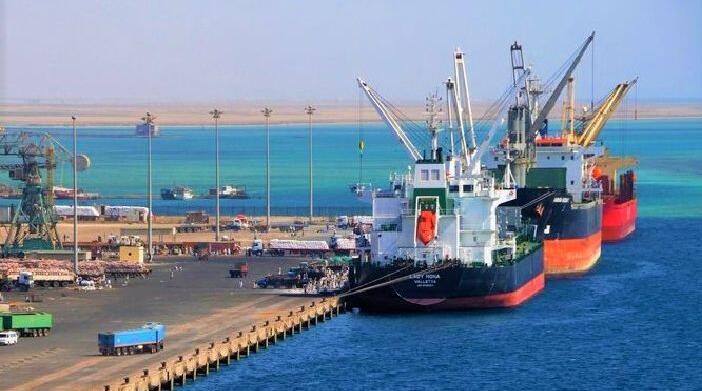
Both the wto and the imf now expect global trade growth to remain strong in 2018. The former is expected to rise 4.0 per cent and the latter 3.6 per cent. In 2017, global trade growth exceeded global GDP growth for the first time since 2014. According to the imf's forecast, global trade growth will be roughly in line with global GDP growth in 2018.
But signs of weakness from maersk, Drury and others suggest global trade could again drag down global growth in 2018. (credit: phoenix international iMarkets)
The global implications of hanjin's maritime bankruptcy are unclear.
If, as expected, the company's ships continue to be "frozen", if not for months, but for weeks, the impact on global supply chains will be devastating, with the potential for cascading cascading effects that could be severe for the global economy or lead to global logistics chaos.
The gap has prompted rivals to consider carving up their business, such as hyundai merchant, South Korea's second-largest shipping company, which announced it would deploy at least 13 ships to receive two lines from hanjin, and Seoul's government, which plans to turn to foreign shipping companies for help.
The following figure shows the market share distribution of major shipping companies:
But hanjin's transportation gap is unlikely to be filled anytime soon. At the same time, freight rates on the transportation lines that Mr. Hanjin was once in charge of have soared. Rates for 40-foot containers on busan-los angeles routes have jumped about 55%, from $1,100 to about $1,700. Shipping fees from South Korea to the U.S. via panama rose about 50% to $2,400.
But hanjin's transportation gap is unlikely to be filled anytime soon. At the same time, freight rates on the transportation lines that Mr. Hanjin was once in charge of have soared. Rates for 40-foot containers on busan-los angeles routes have jumped about 55%, from $1,100 to about $1,700. Shipping fees from South Korea to the U.S. via panama rose about 50% to $2,400.
South Korean exporters are most directly affected by the surge, with the Korea institute of oceanology, a state-run think tank, estimating a 27 per cent rise in busan to the us and a 47 per cent rise in the short term on busan to Europe, adding about won440.7bn a year to their shipping costs.
For South Korea, net exports account for about 50 per cent of gross domestic product, so the hit from higher transport costs would be huge.
But the surge in transport costs is only in its early stages, as South Korea's big exporters now scramble to find alternative shipping lines. LG electronics, the world's second-largest TV maker, said it was canceling orders with hanjin, looking for alternative shipping companies to ship its goods and making contingency plans for shipments already on hanjin ships to prevent seizure at ports.
But the most disturbing outcome is whether it will have a devastating effect on global supply chains, creating cascading waterfalls. The current chaos in the global logistics industry is slowly showing this effect.
South Korea's maritime ministry said on Wednesday that the problems would affect exports for two to three months, with about 540,000 cases of goods being loaded onto hanjin vessels and facing delays. Unfortunately, in the modern market of "just-in-time" delivery, a two - to three-month delay in shipping can be quite disruptive, as countless processors and middlemen will be missing vital parts in the production process, hampering production.
The Korea international freight forwarders association says its phones are ringing with calls from shippers inquiring about their shipments to the United States and Europe. Now that many of hanjin's ships have been seized and the law has yet to be decided, no one can pick up the pieces. While mobile phones and semiconductors are shipped by air, other electronics, such as home appliances, are shipped by sea.
Hanjin shipping accounts for 7% of container traffic in the northeast, or tens of billions of dollars, according to consultancy Alphaliner. In addition, hanjin serves 60 routes in 35 countries, connecting more than 90 major ports and 6,000 destinations worldwide.
As a result, says Cho Kyung kyu, director of the freight forwarders' association, if hanjin ends up going bankrupt, it could have an impact on the entire industry. From the current situation of exploding phone calls from shippers, the impact has been shown. The only question now is: 1) how to quantify the loss; 2) how long will this last before companies and economists use this as an excuse for an unexpected drop in the economy and earnings in the third quarter? (information support: bitport)
As a result, says Cho Kyung kyu, director of the freight forwarders' association, if hanjin ends up going bankrupt, it could have an impact on the entire industry. From the current situation of exploding phone calls from shippers, the impact has been shown. The only question now is: 1) how to quantify the loss; 2) how long will this last before companies and economists use this as an excuse for an unexpected drop in the economy and earnings in the third quarter? (source: Hong Kong stock excavator)